The Power of Saying No Without Guilt
Have you ever felt guilty when you had to say no to someone? I have and felt like I’ve let them down. So, instead of disappointing them and wanting everyone to be happy and satisfied, I’d say yes to things that friends, family, and colleagues requested. Many times in my life, it would’ve been better to say no for my own well-being. But, unfortunately, saying yes had me feeling overwhelmed and overextended. Learning to say no without feeling guilty has taken me a while.
Learning to say no without feeling guilty is a vital life skill that helps us set healthy boundaries and prioritize our needs and wants. So, let’s dive in and explore why it is okay to say no and how we can do so with grace.
Understand Why Saying No Is Important
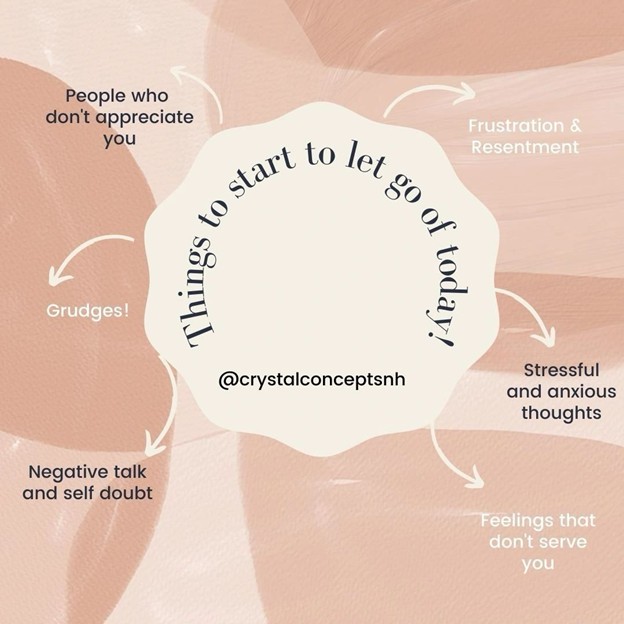
First, let’s talk about why saying no is so important. Saying no is an act of self-care and self-respect. It allows us to prioritize our needs and wants rather than constantly putting others first. This helps avoid burnout and reduces stress. It can also establish healthy boundaries in relationships, both personal and professional, which leads to more fulfilling and healthy connections with others. Conversely, constantly trying to live up to others’ expectations without considering our wants and needs can lead to resentment and unhappiness.
Learn How To Say No Gracefully
Now that you know why saying no is important, let’s explore ways you can do so with grace. Here are some tips on how you can politely decline requests from others without feeling guilty about it:
- Be direct – Don’t beat around the bush when saying no – be honest and direct about your decision so there is less room for confusion or miscommunication.
- Use I statements – When saying no, focus on how the request impacts you. Instead of saying, “you’re asking for too much of me,” try saying, “I’m unable to take on any more commitments right now.”
- Thank them – Show appreciation for their request by thanking them before explaining why you have decided not to take them up on their offer – this shows respect for their time and efforts in making the request in the first place.
- Offer alternatives – If you are unable or unwilling to take on what they requested, offer suggestions as to who else might be able to help them – this will show that your refusal isn’t personal but rather due to circumstances beyond your control.
- Explain your reasons – Explain your reasons behind declining their offer – this will show that you are being thoughtful in your decision-making process while also helping them understand where you’re coming from better (e.g., “I would love to, but unfortunately, I’m already overbooked right now”).
- Be prepared for reactions – Saying no can sometimes be met with disappointment, resentment, and resistance. Be ready for this, and remain firm in your decision. It’s okay to prioritize your well-being, even if others don’t understand.
- Practice – As with anything, practice makes perfect. The more you say no, the easier it will become.
Learning how to say “no” respectfully and gracefully is an invaluable life skill everyone should master to improve their life, protect their overall well-being, and maintain positive relationships with those around them. By understanding why saying “no” is essential, learning how best to do so respectfully, and following through on your decision gracefully, you can confidently stand up for yourself without having guilt weigh you down afterward! With practice, saying “no” won’t feel like such a daunting task anymore but rather a necessary act of self-care! Remember, putting yourself first and saying no to things that don’t serve you is okay.
©️2023 Musing by Judy Gallauresi